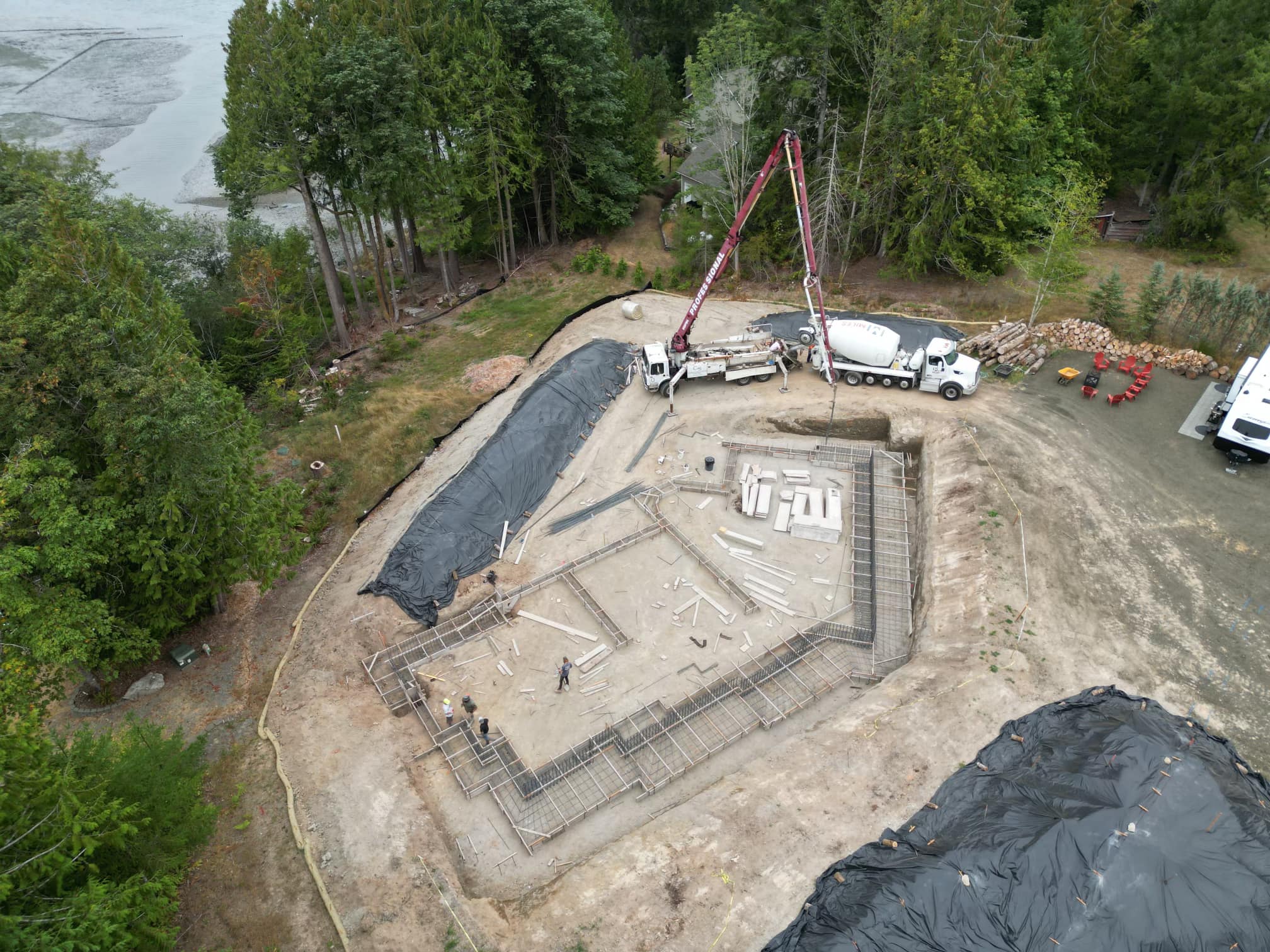
Concrete Science: How New Additives are Enhancing Performance and Sustainability Aug 04, 2026
Concrete is essentially a blend of cement, aggregate, and water. Traditionally, these components have been sufficient, but today's builders require more efficient and environmentally friendly solutions. Enter concrete additives: substances incorporated into the mix that significantly modify its properties.
One of the most revolutionary advancements in concrete science is the development of nano-silica additives. This additive is setting new benchmarks in terms of strength and durability. Nano-silica particles fill the small gaps between cement particles, leading to a denser microstructure. This results in concrete that is less permeable to water, making it more durable and less susceptible to cracking—a critical factor for long-lasting structures.
Another exciting development is the use of superplasticizers. These chemical additives increase the workability of concrete without adding more water. Concrete that is more fluid and easier to pour requires fewer workers and less time to place, reducing labor costs and speeding up construction timelines. Furthermore, by minimizing water content, superplasticizers contribute to denser concrete with enhanced compressive strength.
Sustainability is another driving force behind the new wave of concrete additives. Fly ash and slag, by-products of coal combustion and steel manufacturing respectively, have found a new purpose in concrete production. When used as partial replacements for cement, these materials not only reduce the carbon footprint of concrete but also divert industrial waste from landfills.
An exciting breakthrough in sustainability comes from the introduction of microbe-based additives. These innovative additives involve microorganisms that precipitate calcite, which self-heals small cracks as soon as they begin to form. By prolonging the life of the structure and minimizing the need for repairs, this technology represents a significant step towards more sustainable construction practices.
For those in areas prone to freeze-thaw cycles, using air-entraining agents can be a game-changer. These agents introduce tiny air bubbles into the concrete mix, providing space for water to expand when frozen. This modification drastically reduces the risk of cracking due to freezing and thawing, ensuring long-term structural integrity.
As environmental concerns grow, the importance of carbon reduction strategies within construction becomes paramount. Additives that enhance the performance of recycled aggregates are also gaining traction. These additives improve the bonding properties between recycled materials and cement, leading to concrete that is equally as robust and reliable as that made with virgin materials.
In conclusion, the realm of concrete science is evolving rapidly. Advanced additives are not only enhancing the performance of concrete but are also pushing the construction industry towards more sustainable practices. At A-1 Concrete Supplies, we are committed to staying at the forefront of these innovations. By integrating these cutting-edge technologies, we help our clients create structures that are built to last, both in terms of strength and environmental impact. As the landscape of construction continues to shift, embracing these advancements is no longer an option—it's a necessity.