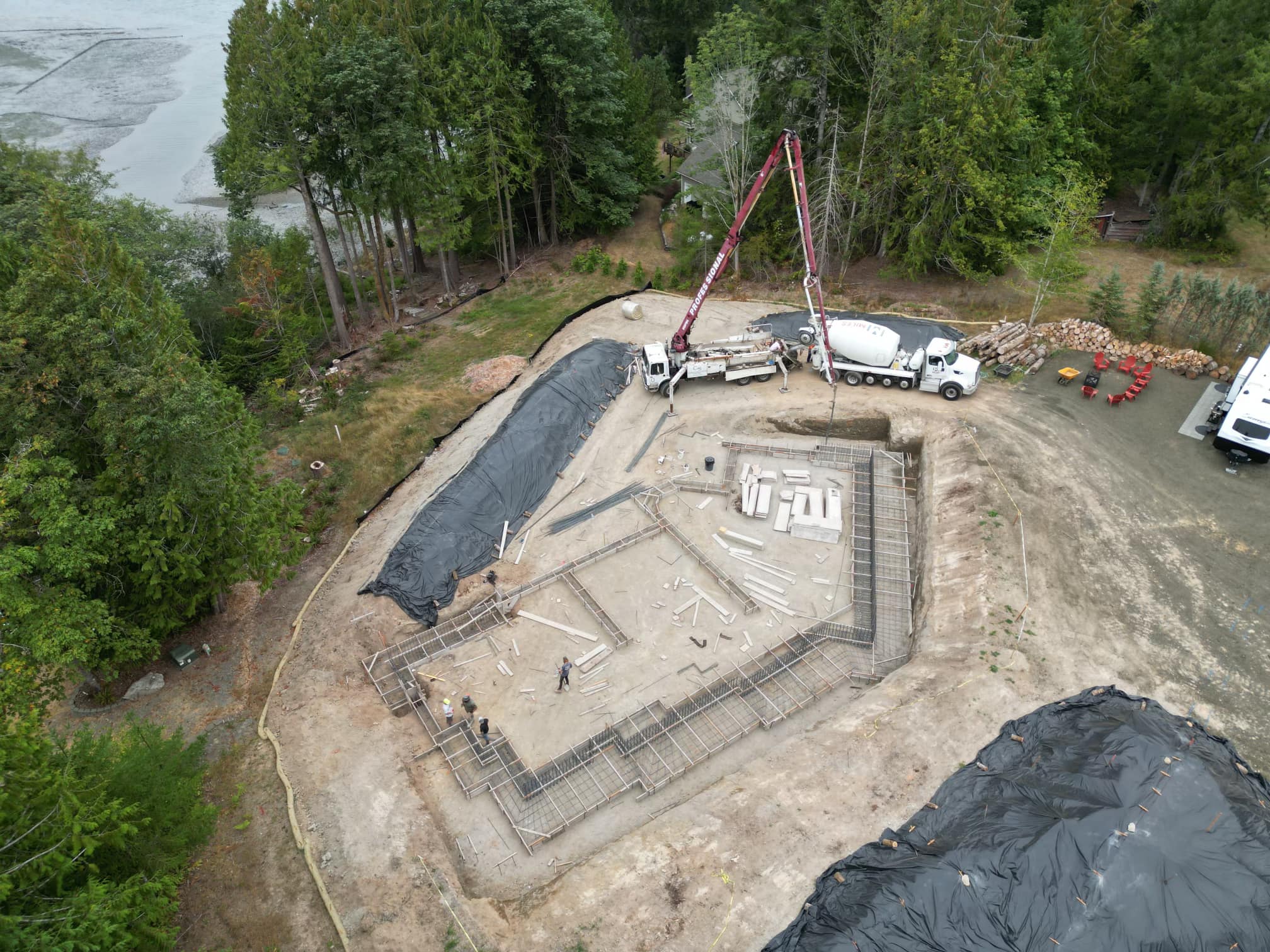
Innovative Approaches to Cold Weather Concreting: Ensuring Quality Every Season Aug 11, 2026
Cold weather concreting refers to the specific methods used to pour and cure concrete when air temperatures are below 40°F (4°C) for prolonged periods. This environment poses risks such as delayed setting times, reduced strength, and the potential for cracking if not managed correctly. Preparing for these challenges begins with understanding the nuances of cold weather on concrete performance.
One innovative method that A-1 Concrete Supplies utilizes involves adjusting the mix design. During cold weather, increasing the percentage of Portland cement can accelerate the curing process, as the chemical reactions of hydration are exothermic, providing much-needed heat. Furthermore, adding a high-early strength admixture can considerably enhance early strength development, allowing the concrete to withstand the cold without compromising quality.
Another effective strategy is pre-heating the components of the concrete. This can be done by heating the mixing water and sometimes the aggregates before adding them to the mix. Ensuring that the concrete is placed at a temperature above the minimum specified standards helps in maintaining its workability and prevents freezing before it sets. A-1 Concrete Supplies ensures that their mixing trucks are adequately equipped to handle such procedures.
Protective measures post-pour are equally vital. Using curing blankets and insulating forms are conventional methods to retain heat and moisture during the critical curing stages. These blankets, made of insulating materials, trap moisture and heat generated from the hydration process, maintaining a suitable temperature for the concrete to cure properly. For additional warmth, heated enclosures can provide a controlled environment to enhance curing and crack prevention.
Windbreaks can also be vital when dealing with freezing winds, which can exacerbate the cooling of concrete surfaces, leading to premature freezing. Implementing physical barriers reduces wind chill effects, protecting the surface of the concrete from drying too quickly or freezing.
The use of technology plays a crucial role as well. Employing devices such as maturity meters, A-1 Concrete Supplies can monitor the internal temperature and strength gain of concrete in real-time. These instruments provide data that help make informed decisions about when forms can be stripped, or when additional heat is necessary, ensuring efficiency and safety in cold weather concreting.
Finally, training the workforce on cold weather procedures can significantly enhance the execution of these strategies. Knowledgeable teams are less prone to errors, ensuring that all methods are applied correctly and effectively.
In conclusion, cold weather should not be seen as an obstacle but as an opportunity to apply advanced techniques and tools that improve construction quality and reliability. By employing strategies like modifying mix designs, using protective measures, and leveraging modern technology, A-1 Concrete Supplies effectively tackles the challenges of cold weather concreting. These innovative approaches not only ensure high-quality results but also uphold the company’s commitment to delivering superior performance across all seasons. By consistently adapting to environmental constraints, A-1 Concrete Supplies showcases its dedication to excellence and resilience in all weather conditions.