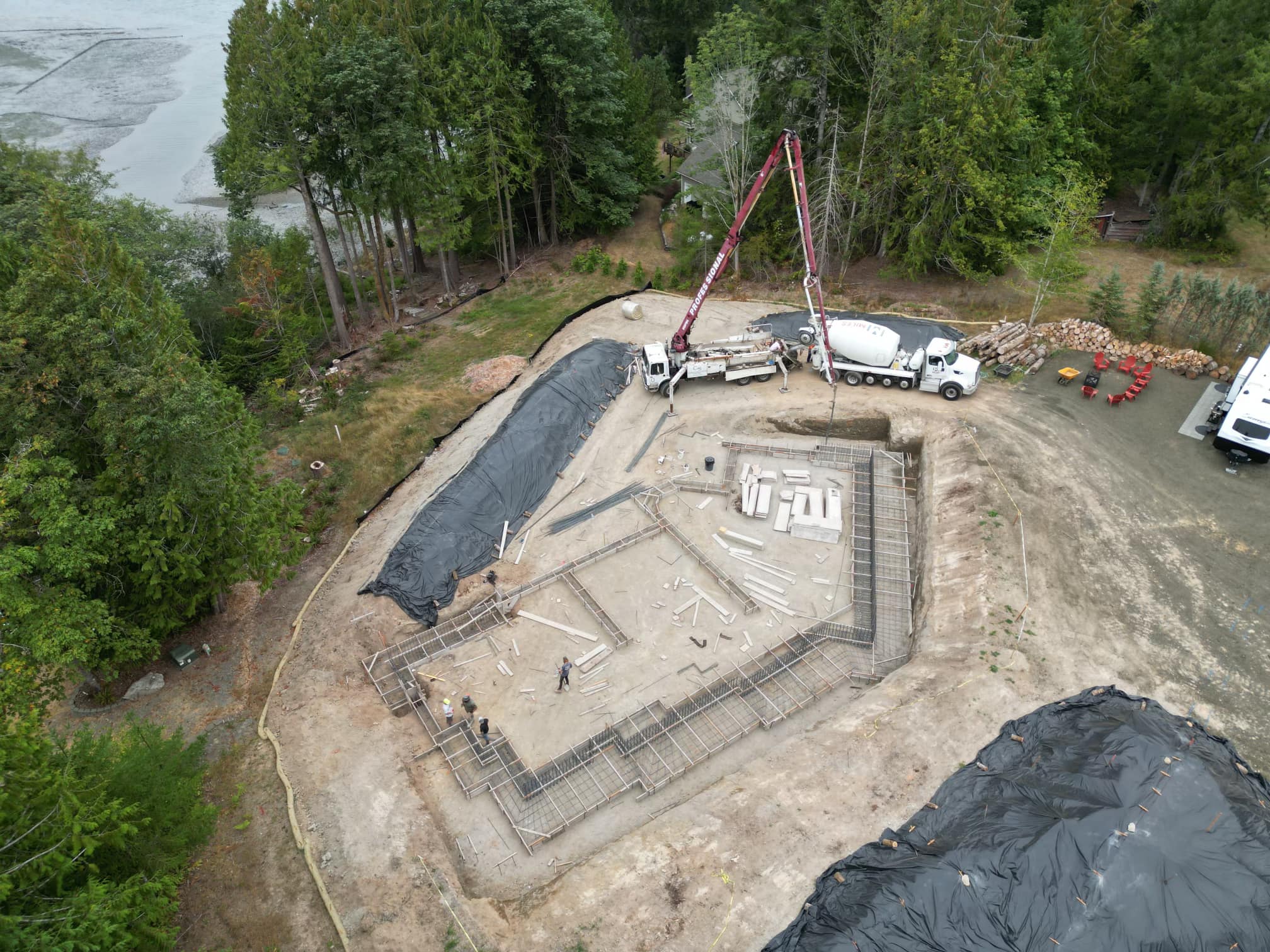
Maximizing Durability: Best Practices in Concrete Installation May 19, 2026
Understanding the Importance of Quality Materials
The foundation of a durable concrete structure starts with high-quality materials. Cement, aggregates, and water form the basic components, but their quality can significantly impact the final product. Ensure that you purchase materials from reputable suppliers like A-1 Concrete Supplies, which guarantees superior quality and consistency. Using quality materials reduces the risk of cracks and increases the lifespan of your concrete structures.
Proper Mixing Techniques
The mixing process is a critical step in concrete installation. Achieving the right concrete mix ratio is essential for strength and durability. Too much water can weaken the concrete, whereas too little can make it difficult to work with. It is vital to follow the recommended proportions provided by experts. Consider investing in mechanical mixers if you are dealing with large-scale projects, as they ensure uniformity and can mix large batches efficiently.
Don't Underestimate the Subgrade Preparation
One fundamental yet often overlooked aspect of concrete installation is subgrade preparation. A poorly prepared subgrade can lead to issues like sinking or cracking. Start by removing all vegetation and compacting the soil to create a stable base. It is also advisable to incorporate a gravel layer for added drainage. Good subgrade preparation ensures that your concrete will remain stable over time, resisting shifts and movement.
Temperature and Weather Considerations
Weather conditions can severely affect concrete installation. Extreme temperatures, whether hot or cold, can interfere with the curing process. For instance, hot weather might cause rapid evaporation, leading to surface cracks. On the other hand, cold weather can slow down curing, impacting the concrete's strength. Plan your installation during moderate weather conditions and consider using curing blankets or spraying water to maintain the right moisture level in extreme cases.
Ensuring Proper Curing
Proper curing is vital as it directly influences the strength and durability of the concrete. Once poured, concrete should be kept moist to allow hydration. Curing compounds or water can be used to create the right conditions. Curing usually takes about seven days for most applications, but specifics can vary depending on ambient conditions and project requirements. Good curing practices will prevent surface cracks and ensure long-term structural integrity.
Sealing and Maintenance
Once the concrete has set and cured, seal it to protect against external elements such as moisture, chemicals, and abrasion. Regular inspections and maintenance, like resealing every few years, can greatly extend your concrete's lifespan. Address any visible cracks or wear promptly to prevent further deterioration.
Conclusion
Maximizing concrete durability involves more than just mixing and pouring. It requires attention to detail, quality materials, and adherence to best practices in installation. At A-1 Concrete Supplies, we emphasize the critical nature of each step, from subgrade preparation to ongoing maintenance. By following these guidelines, you not only ensure the longevity and strength of your concrete structures but also glean the best return on your investment. Your concrete installations are a significant component of your property, and it pays to treat them with care and expertise.