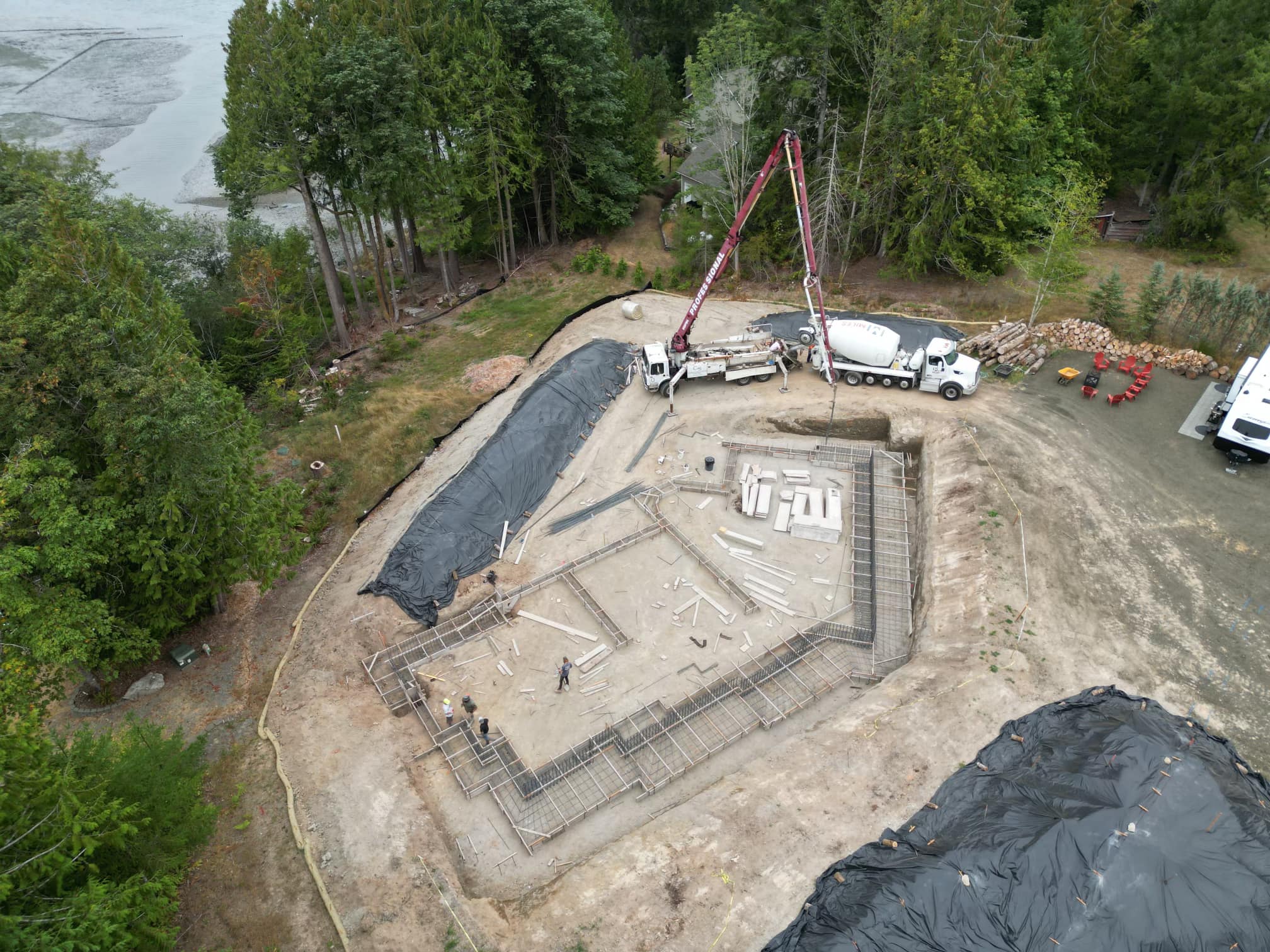
Understanding Weather's Impact on Concrete Projects: Tips from A-1 Experts Jul 13, 2026
Weather plays a pivotal role in the success of concrete installations. Extreme temperature fluctuations, excessive rain, or unexpected droughts can dramatically alter the curing process and final strength of concrete. Therefore, it is imperative to plan these projects meticulously by taking local climate conditions into account, ensuring that your investment retains its durability and aesthetic quality.
Temperature is one of the most critical factors to consider. Cold weather slows down the setting process of concrete, which can compromise its structural integrity. This is because the water in the concrete mix freezes, leading to incomplete hydration of the cement particles. To mitigate these risks, A-1 Concrete Supplies recommends using insulating blankets or heaters to maintain an optimal temperature for concrete curing. This ensures that the concrete sets at the right pace, maintaining its strength and resilience.
Conversely, hot weather speeds up the evaporation of water from the concrete mix, posing the risk of the concrete setting too fast, a condition known as flash setting. This can lead to surface cracking and a weakened structure. In such cases, it's advisable to use curing compounds or lightweight reflective sheets to keep the surface moist and cool, ensuring proper curing is achieved.
Rain is another weather element that can disrupt the effectiveness of concrete projects. Excessive moisture can dilute the mix, affecting the water-cement ratio and leading to weaker concrete. If rain is anticipated, A-1 Concrete Supplies suggests scheduling your concrete pour carefully and potentially erecting temporary covers to shield the fresh concrete from rainfall.
Humidity also affects drying times, with high humidity slowing down the process. This may not be detrimental but should be accounted for in project timelines. Monitoring local weather forecasts is vital to avoiding unexpected delays. A-1 Concrete Supplies advises using moisture retention technologies or additives to regulate the curing speed in high humidity conditions.
Wind impacts concrete primarily through its influence on evaporation rates. High winds can increase the evaporation rates significantly, causing the surface of the concrete to dry out too quickly and leading to surface cracking. Windbreaks or protective coverings can help in reducing this risk.
A-1 Concrete Supplies urges clients to not only consider current and predicted weather conditions but also historical trends for their project location. By doing so, any potential impact of weather on the concrete can be mitigated effectively with strategic planning. Whether through the employment of advanced materials or modern technologies, taking preemptive measures ensures longevity and sustainability for your concrete works.
In conclusion, while weather conditions present significant challenges to concrete projects, understanding their impact allows for strategic planning and execution. Implementing the expert tips offered by A-1 Concrete Supplies can significantly enhance the outcome of your projects, ensuring high-quality, durable concrete installations regardless of unpredictable weather patterns. Consider these factors diligently to protect your investment and achieve the best possible results from your concrete initiatives.